
Route Dispatch 04 // Ticketing Logic & Multi-Day Loops

BUILD A CONNECTED ITINERARY

The finest rail journeys combine high-speed trunk lines that cover flat ground quickly with regional branch lines where you slow down and open the window. Choosing the right ticket structure keeps those transitions frictionless.

Pass Decision Disclosures: Regional Passes vs. Point-to-Point Tickets

Since major nationwide pass price adjustments in Japan, a single country-wide pass rarely makes sense for a slow, scenic itinerary. Instead, regional passes and targeted point-to-point tickets deliver far better value without rushing your days.

Japan: Regional JR Passes (JR East, JR West, JR Kyushu) vs. Nationwide JR Pass

When a Regional Pass Wins: Focused passes such as the JR West All Area Pass, Hokuriku Arch Pass, JR East Nagano/Niigata Area Pass, or JR Kyushu Rail Pass often pay off with just one round-trip Limited Express or Shinkansen ride, leaving all your scenic local branch hops (like the Gono Line, Koumi Line, or Hisatsu line segments) effectively free. By contrast, if you are making only two or three train hops over ten days, buying individual smartcard (IC) or e-tickets via official JR portals (SmartEX, JR-West Online, Ekinet) is significantly cheaper.

Taiwan: THSR + TRA Joint Passes vs. EasyCard & Reserved TRA Tickets

How to Combine Taiwan’s Two Networks: Taiwan High Speed Rail (THSR) runs down the western corridor (Taipei to Zuoying/Kaohsiung), while Taiwan Railways (TRA) circles the entire island, including the dramatic eastern Pacific cliffs between Yilan, Hualien, and Taitung. For an island loop, use point-to-point reserved TRA EMU3000 Tze-Chiang tickets on the East Coast (bookable 28 days out) and tap an EasyCard on scenic branch lines like Pingxi, Neiwan, or Jiji.

Southeast Asia & Sri Lanka: Why Point-to-Point Direct Booking Rules

In Vietnam, Thailand, Malaysia, and Sri Lanka, regular point-to-point fares are already remarkably affordable. There is no need for an overarching pass; instead, focus on booking specific high-demand trains (such as Sri Lanka’s highland observation cars or Thailand’s CNR sleepers) on the day the reservation window opens with the official national operator.

Three Connected Multi-Day Scenic Rail Blueprints

Printed regional rail pass sleeve beside a mechanical pencil and route diagram

1. Central Japan Alps & Sea Loop (6 Days)

Route: Nagoya → Takayama (Hida Wide View) → Toyama → Kanazawa → Matsumoto (Oito Line along Northern Alps) → Nagoya (Shinano Limited Express through Kiso Valley).

Why it works: Pairs river gorges and timbered post-towns with wide-window Limited Express rolling stock.
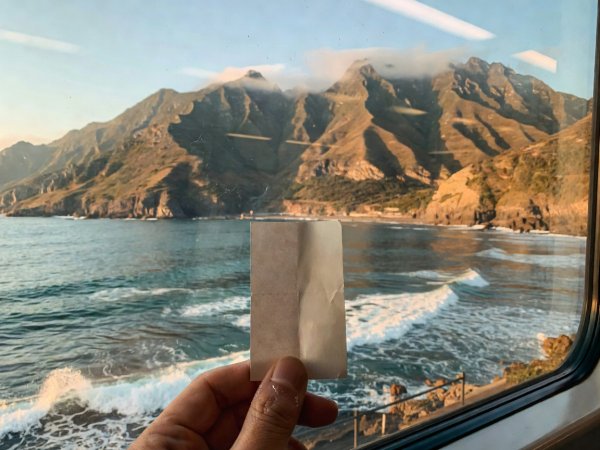
Taiwan Railways ticket stub held against a carriage window overlooking coastal mountains

2. Taiwan East Rift Valley & Forest Loop (5 Days)

Route: Taipei → Ruifang (Pingxi Line) → Hualien → Chishang (East Rift Valley rice plains) → Taitung → Fangliao (South-Link Pacific coast) → Chiayi (Alishan Forest Line).

Why it works: Completes a clockwise figure around Taiwan’s central mountain spine.

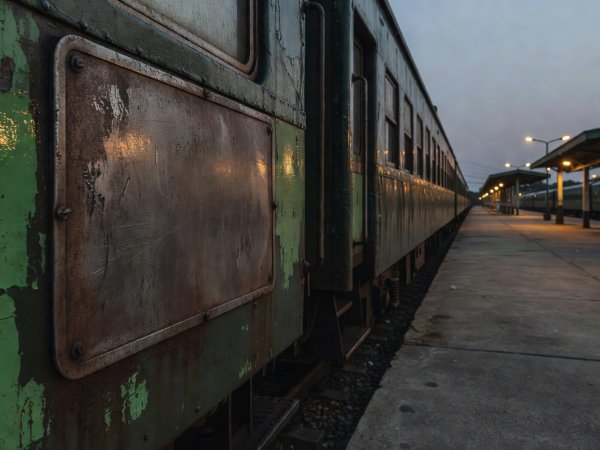
Metal carriage destination plate on a Vietnamese train platform at dusk

3. Central Vietnam Coast & Heritage Spine (5 Days)

Route: Hanoi (Overnight Sleeper) → Dong Hoi (for Phong Nha) → Hue → Daylight Hai Van Pass train → Da Nang (for Hoi An) → Quy Nhon.

Why it works: Uses one night train for distance, then keeps the finest coastal mountain pass strictly in daylight.